Punto Stampa a Cura di: Fabio Calcinelli
Conducono: -
Argomenti principali della giornata:
- Cosa sapere sulla visita di Netanyahu negli Stati Uniti
- La Repubblica Ceca sta preparando una nuova iniziativa per rifornire di munizioni l‘Ucraina nel 2025
- La Germania bandisce un gruppo islamico, accusandolo di supportare Hezbollah
- La Commissione Europea ritiene che delle salvaguardie per il servizio informativo pubblico italiano siano urgentemente necessarie
- Un rapporto riscontra che 200.000 tra bambini e adulti vulnerabili hanno subito abusi in Nuova Zelanda
Israele |
| (Al Jazeera) Israel’s Netanyahu in the US: What to know about the visit, protests - Netanyahu arrived in Washington on Monday for a visit that includes meetings with President Joe Biden, the main candidates in the 2024 presidential election — Vice President Kamala Harris and former President Donald Trump — and the speech before a joint session of Congress.
- Analysts said Netanyahu will deliver his congressional address with an eye on several audiences: his ultranationalist governing partners, the key to his political survival; the Biden administration, which Netanyahu counts on for diplomatic and military support; and the Republican Party of Trump, who, during his presidency, implemented policies long sought by Netanyahu, including moving the US embassy from Tel Aviv to Jerusalem and withdrawing from the Iran nuclear deal.
- Netanyahu’s arrival led to a flurry of protests in the nation’s capital. At 11am (15:00 GMT), thousands of protesters are expected to meet outside the Capitol to call for Netanyahu’s arrest over “war crimes” and “crimes against humanity”. Protesters will march around the perimeter of the Capitol, carrying a red banner symbolising a “red line” against the war in Gaza.
- About 230 anonymous Capitol Hill staffers from 122 lawmakers’ offices have signed a letter made public last week that urges their bosses to either protest or boycott the address to Congress by Netanyahu.
|
Ucraina |
| (Kyiv Independent) Czechia preparing new shell initiative to supply Ukraine in 2025 - Prague is preparing to launch a new initiative to purchase artillery ammunition for Ukraine in 2025, Czech Defense Minister Jana Cernochova said in an interview with the Deník N newspaper on July 24.
- Czechia unveiled the international ammunition initiative earlier this year amid Ukraine's shell shortages, largely caused by delays in U.S. assistance. Czech Foreign Minister Jan Lipavsky noted that sufficient funds have been secured to provide Ukraine with 500,000 shells by the end of 2024.
- Denmark, Germany, and the Netherlands support the initiative, according to Tomas Kopecny, the Czech envoy for Ukraine's reconstruction, according to Radio Prague International. Negotiations on financing the project may begin at the end of this summer.
- Lipavský also mentioned that Prague plans to send another 100,000 rounds to Ukraine in July and August, in addition to the roughly 45,000 shells shipped in June. Eighteen countries have pledged support to the initial initiative, with 15 having fulfilled their promises and provided the funds, according to the minister.
|
Europa |
| Germania: (New York Times) Germany Bans Islamic Group, Accusing It of Supporting Hezbollah - Germany banned the Islamic Center Hamburg on Wednesday, saying that it is an extremist organization that supports Hezbollah and acts as a front for Iran’s supreme leader.
- The German authorities have been investigating the Shiite Muslim group — also known as the I.Z.H., an abbreviation of its German name — for years, including what they say are links to Hezbollah, the Iran-backed militia that Germany outlawed in 2020.
- The group promotes an Islamist extremist ideology, Nancy Faeser, Germany’s interior minister, said in a statement announcing the ban. She also accused the I.Z.H. and its affiliates of supporting Hezbollah and spreading antisemitism.
- Her ministry said the authorities had begun court-ordered searches of 53 properties linked to the I.Z.H. across Germany, including in Berlin and Hamburg, and were seizing the organization’s assets. The government will also shut down four Shiite mosques, including what is known as the Blue Mosque in Hamburg, which is the group’s headquarters. The mosque is considered one of the main centers of the Shiite Muslim community in Europe, according to the Hamburg authorities.
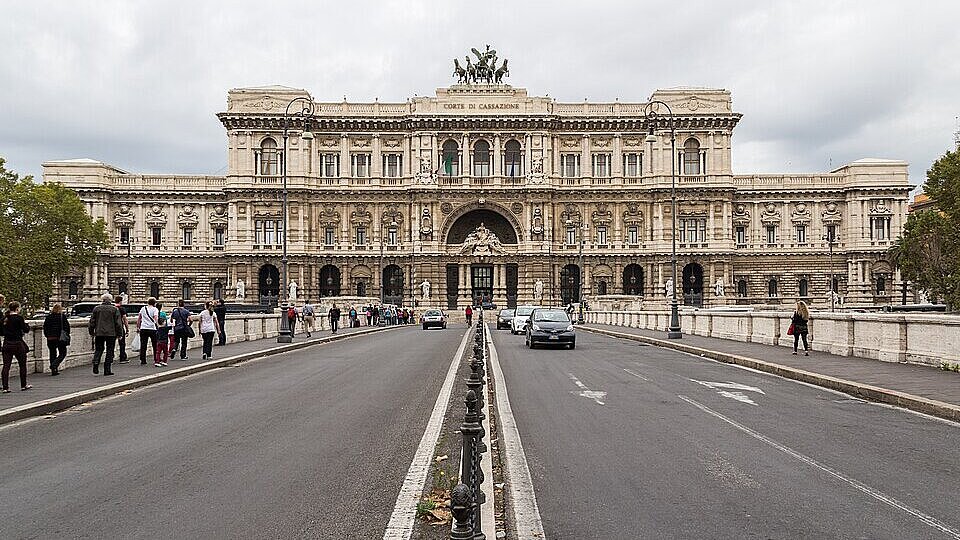
Italia: (Guardian) Freedom safeguards for Italy’s public service media ‘urgently needed’ - The European Commission has raised the alarm about the independence of Italy’s public service media and Rome’s failure to reform the country’s strict defamation law, which is widely seen as silencing government critics.
- In a report issued on Wednesday EU officials identified “persisting challenges related to the effectiveness of [the] governance and funding” of Italy’s public service media, urging Giorgia Meloni’s government to guarantee both its independence and its funding.
- The findings are contained in more than 1,000 pages of reports on the rule of law in the EU’s 27 member states, an annual exercise launched five years ago amid growing concern about politicised courts, corruption, and journalists under pressure in countries across the union.
|
Politica internazionale |
Asia e Pacifico | Nuova Zelanda: (New York Times) 200,000 Children and Vulnerable Adults Abused in New Zealand, Report Finds - More than 200,000 people are estimated to have been abused by state and religious organizations in New Zealand that had been entrusted with their care, according to the final report from a landmark independent inquiry released on Wednesday.
- Prime Minister Christopher Luxon did not answer questions on Wednesday about how much he expected it would cost to compensate victims, but the inquiry indicated that the total could reach billions of dollars.
- The report noted that most children in care were Indigenous Maori, even though the group makes up a minority of the country’s overall population of five million people, and said that “Maori were often targeted because of their ethnicity.”
- The inquiry found that even when abuses by government and religious leaders were discovered, the leaders “were rarely held to account for their actions or inactions, which emboldened them to perpetrate further abuse.”
- Among the inquiry’s 138 recommendations were calls for public apologies from the pope, the archbishop of Canterbury, and New Zealand’s police commissioner and its top civil servant. It also urged the government to overhaul the country’s no-fault accident compensation program to provide tailored support for survivors of abuse.
|

 Iniziative